Installation of sealing tapes
VORLEGEBÄNDER
IF THERE IS WHISTLING,
IT IS OFTEN THE CORNER.
This helps to prevent leaks caused by incorrect installation of rectangular air ducts.
The airtightness of corner air ducts plays a key role in the energy efficiency, hygiene and long-term operational reliability of HVAC systems. Despite the use of high-quality components, leaks in practice are often caused not by the material itself, but by installation errors involving the sealing tape – particularly in corner areas.
This guide explains what is important for the correct installation of sealing strips and how typical errors can be reliably avoided.
Why is correct installation crucial?
Standards such as DIN EN 1507 set out clear requirements for the airtightness of rectangular air ducts. However, these can only be met if
- suitable sealing tapes are used and
- these are installed without tension, correctly positioned and fitted professionally.
Leaks occur particularly frequently at the corners of folded air ducts – usually due to incorrectly laid or excessively thin sealing tape.
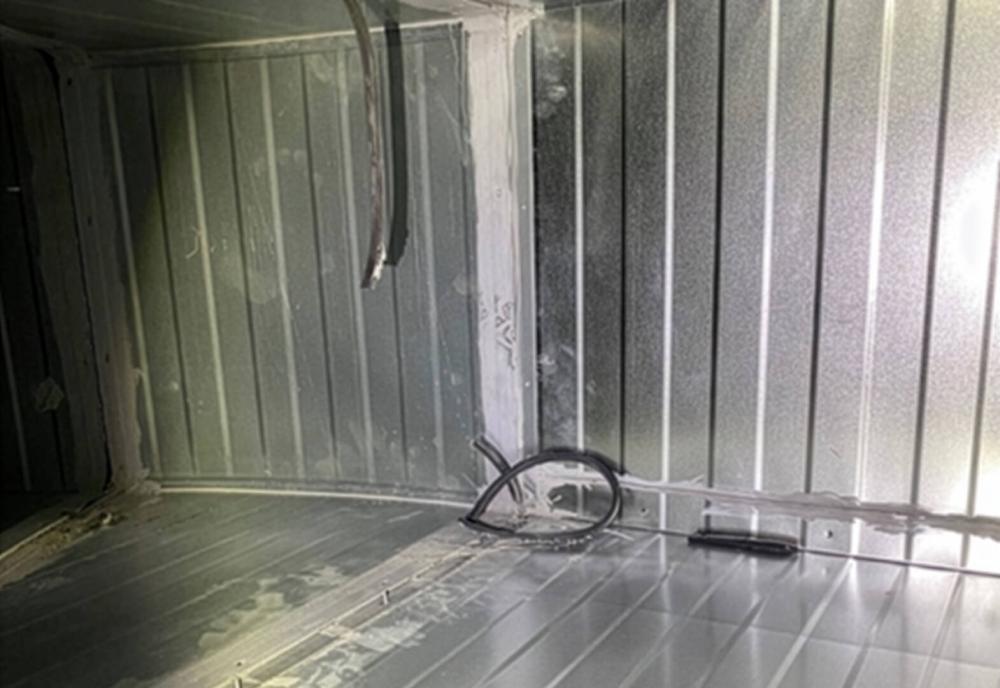
X WRONG
LAYING THROUGH.
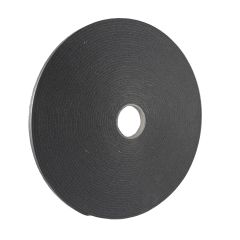
A common mistake is to lay the underlay strip continuously all the way round. During installation, the strip tends to pull inwards, meaning it is missing precisely in the corner area – leaks are inevitable.
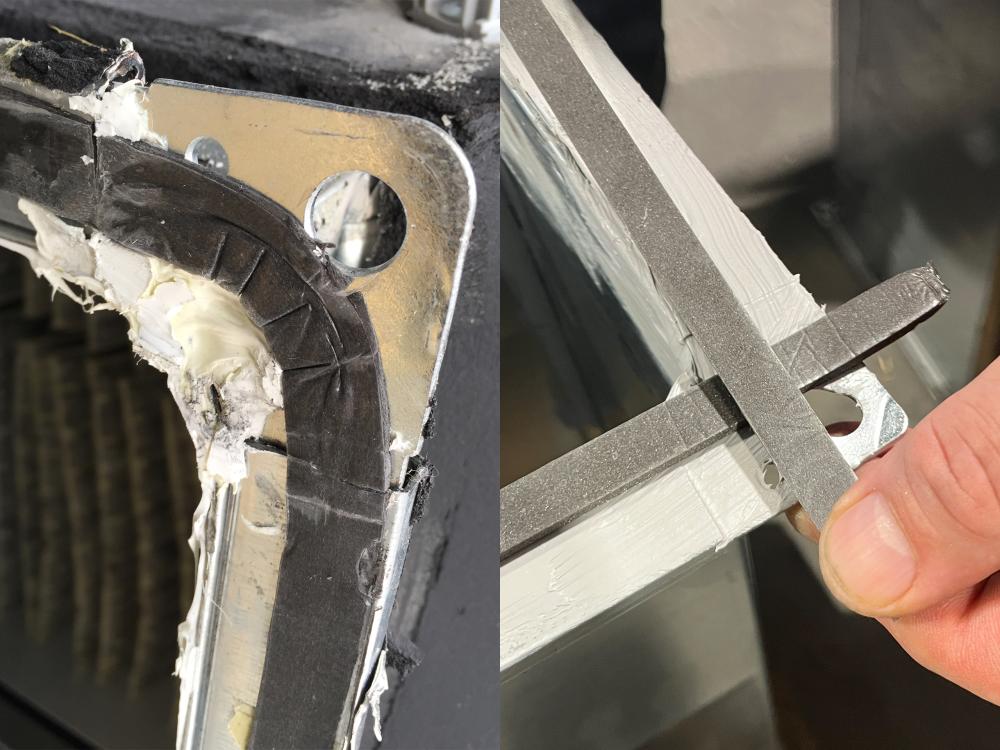
✅ CORRECT
CROSS-BINDING.
- Each edge is glued separately
- At the corners, the ends of the tape overlap
- No “around the corner” shots
X WRONG
INSTALLATION UNDERWAY.
If the underlay is glued down under tension, it will shrink after installation.
The result: gaps, cracks, loose straps and, consequently, a loss of watertightness, particularly at the corners.
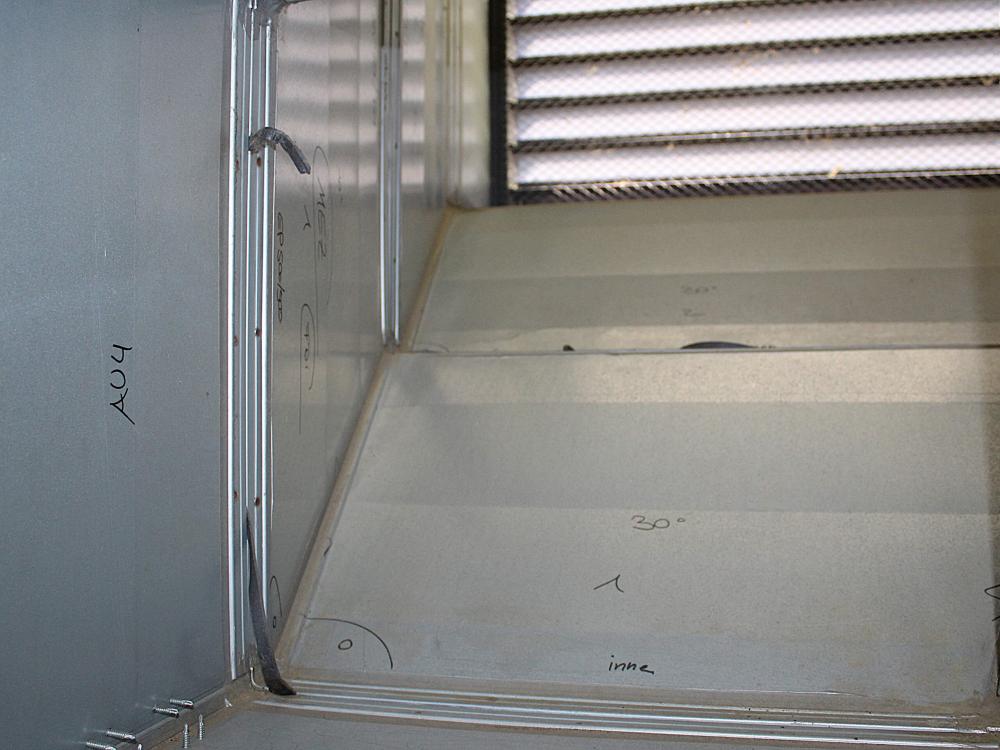
✅ CORRECT
THIGHT-FIT INSTALLATION.
- Apply the backing tape so that it is taut and crease-free
- If necessary, push back slightly at the corners to avoid gaps
- Cut the tape to length without pulling on it
X WRONG
SEALING TAPE TOO THIN.
In practice, however, sealing tapes that are only 2–3 mm thick are often insufficient. They lose their springiness, particularly when exposed to temperature fluctuations – CE valves sit too loosely, leading to leaks
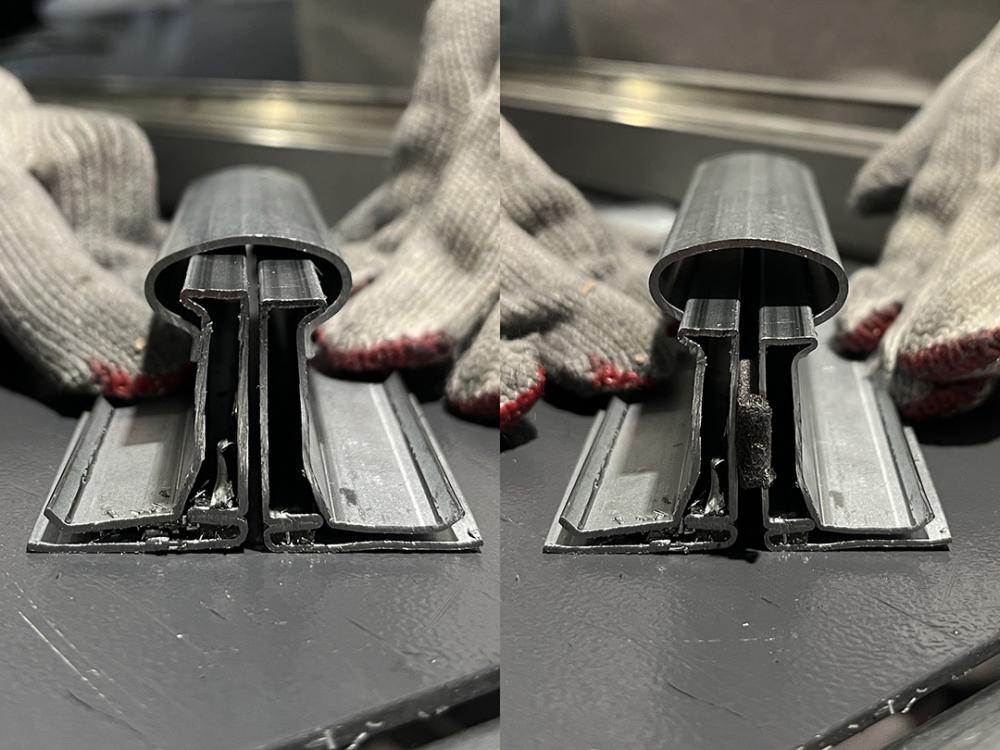
✅ CORRECT
SUFFICIENT MATERIAL THICKNESS.
- Better to be too fat than too thin
- Recommendation: 4 mm thick – preferably 6 or 10 mm
- As a general rule, the wider and thicker it is, the denser it is
X WRONG
CE-SLIDER DOES NOT HOLD.
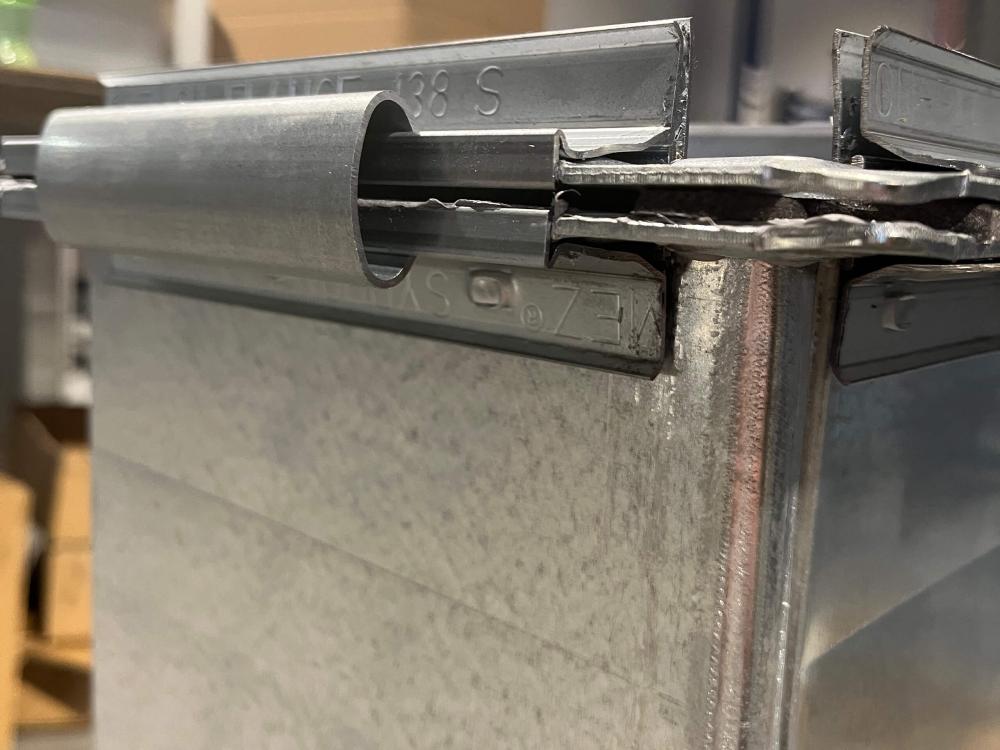
✅ CORRECT
SECURE FIT OF THE CE-SLIDER

PREPERATION IS KEY.
Before applying the sealing strip, the frame surfaces must be
- clean,
- dry,
- and free from grease, dust and metal shavings.
Installation in sub-zero temperatures is problematic, as the adhesive does not bond sufficiently to cold metal surfaces.

QUALITY PAYS OFF.
High-quality ducting tape is characterised not only by superior adhesive strength and elasticity, but also by its ability to adapt to temperature fluctuations and the expansion of the ductwork system. Inferior materials often lose these properties after only a short period of use.

KITCHEN EXHAUST AIR & PROCESS AIR
For applications with increased requirements, e.g. kitchen exhaust air, particular attention must also be paid to
- oil and grease resistance,
- suitable material types (e.g. not every PE tape is suitable) and
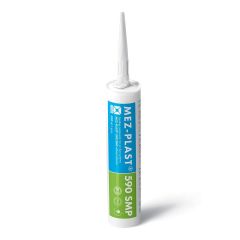
- where necessary, additional internal sealing, e.g. with MEZ-PLAST 590 SMP.
Stricter requirements regarding tightness and installation apply here, such as tightness class D (ATC2) or "grease-tight".


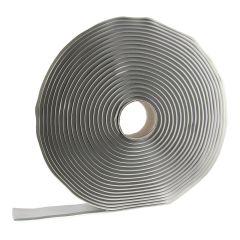
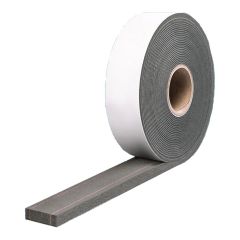
THEORY & PRACTICE TRAINING AT THE AIRWORKER ACADEMY.

DATES ON REQUEST
LEAKAGE TESTING & REPORTING.
Training on regulatory requirements and verification of air duct system airtightness
The airtightness of air duct systems in ventilation systems is required by legally binding and technical regulations and, if agreed in the works contract, is a contractual obligation of the system installer. To verify compliance, leakage tests must be carried out on air duct systems in accordance with the applicable requirements.
The seminar combines a theoretical and a practical part. In the theoretical section, participants learn about the relevant regulations and the fundamental principles and measurement methods for leakage testing. In the practical part, a leakage test on a partial air duct system of a partial air‑conditioning system in an existing building is performed and evaluated. In addition, the requirements for preparing a proper leakage test inspection report are explained.

DATES ON REQUEST
ENERGY SAVING CALCULATION.
Reducing leakage losses to improve energy efficiency in HVAC air duct systems.
This training course focuses on energy saving calculation in HVAC systems by reducing leakage losses in air duct systems. Participants learn the fundamentals of leakage air volume flow, air duct surface calculation according to EN 14239, and the relevant legal and technical regulations.
Topics include test methods, nominal and test pressure according to EN 12599, PFan and PSFP values, and the assessment of electrical and thermal energy consumption. Sensible and latent energy, explained using the Mollier h,x diagram, and practical AC‑Opt simulations show how optimized system variants and operating conditions reduce energy consumption.

DATES ON REQUEST
CUSTOMISED WORKSHOPS & TRAINING.
The airtightness of air duct systems in ventilation systems is required by legally binding and technical regulations and, if agreed in the works contract, represents a contractual obligation of the system installer. To verify compliance, appropriate verification measures must be applied to air duct systems in accordance with the relevant standards and project requirements.
These individual workshops combine a theoretical and a practical part, tailored to the specific needs of your organization, systems, and projects. The theoretical section covers the applicable regulations as well as the fundamental principles and measurement concepts. In the practical part, a verification on a partial air duct system in an existing building or project-specific setup is carried out, evaluated, and documented. In addition, the requirements for proper inspection and documentation are explained in line with your operational practice.
OUR NEWSLETTER FOR RELEVANT NEWS